Reflections
In this section, we bring together notes, essays, commentaries, letters, literary critiques, interviews, and other forms of non-fiction writing that illuminate the logic of story. Through the dissection of stories, these works help reveal the engineering of narrative and assess the caliber of thought embedded in them.

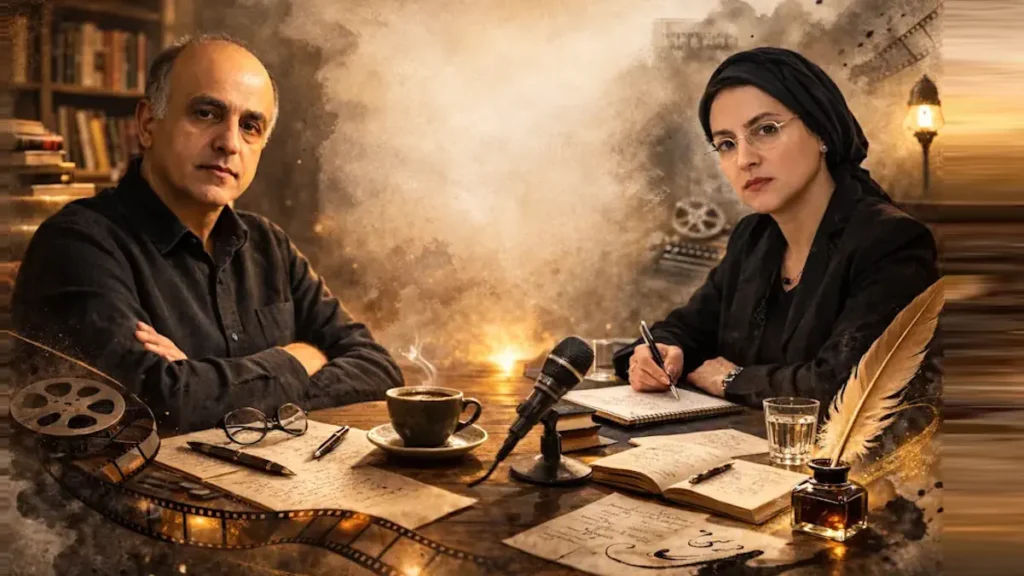
To introduce Reza Najafi and his reflections on Storyology, Scions of Santa House has translated selected passages from his spring 2026 journal into English.
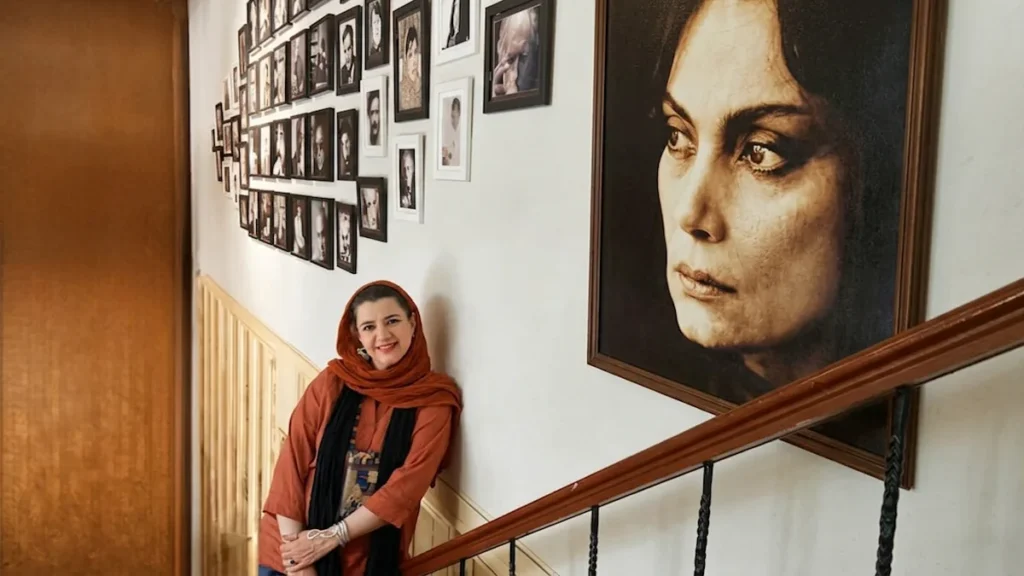
Ghazaleh Alizadeh cannot be recognized merely as a gifted writer. She represents a singular and controversial presence whose meaning emerges at the intersection of language, gender, and reflective living. Through
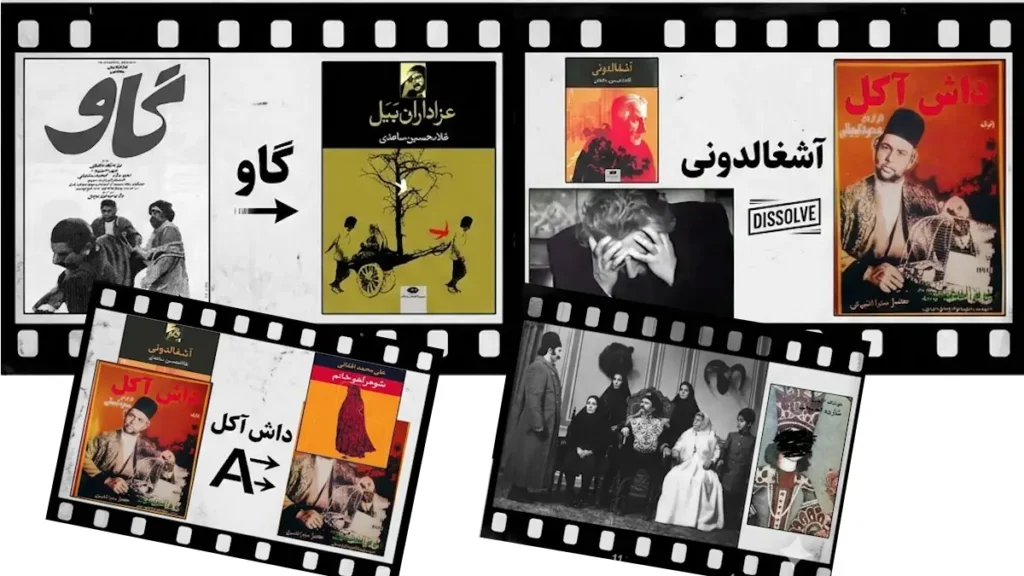
Imagine living in the 18th or 19th century, before the advent of cinema and the introduction of movies into our lives. What was it like to be a reader, or
One of Shiva’s central arguments concerns the erosion of trust between filmmakers and writers in Iran. She notes that collaboration between cinema and literature once held greater creative potential, but
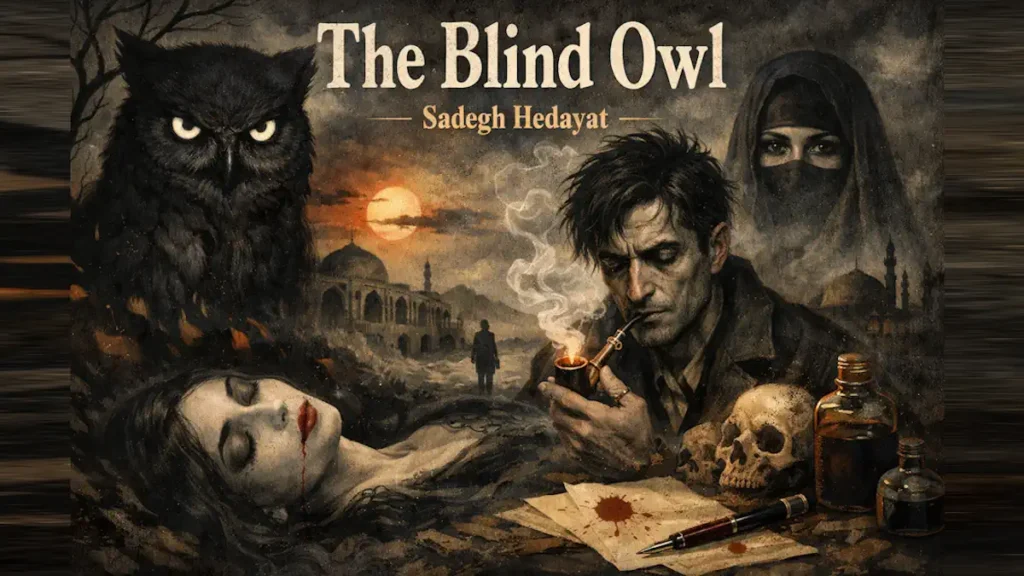
Written in 1937 during the Reza Shah’s kingdom in Iran, The Blind Owl is stated to be the masterpiece of Sadegh Hedayat and a postmodern gothic product of the 20th-century
I can’t really claim any great knowledge of Iranian or Persian literature. After reading a book on Iranian history and culture my interest was piqued sufficiently to give some a
Silence as a narrative device creates a space in which the reader can reflect on events and draw conclusions. Silence, or what remains unspoken, by withholding what could be said,
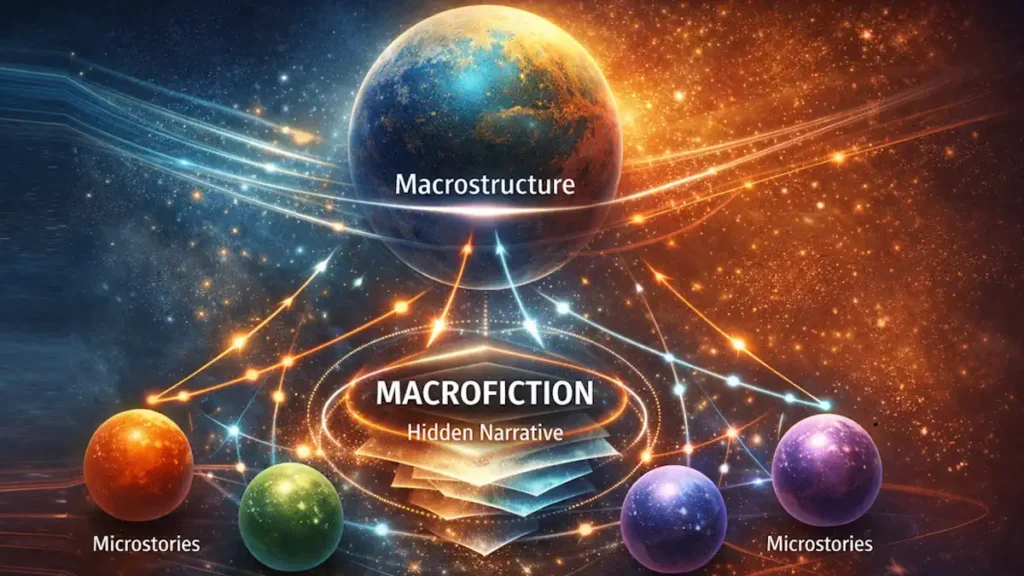
According to Van Dijk, all phenomena have macro and Microstructures. This paper examines the interaction of these structures, leading to an innovative one: Macrofiction.
Leila Sadeghi’s essay explores the deep relationship between literature, kindness, and the cognitive processes that shape human understanding.
From my perspective, storytelling is not merely a form of art or a simple diversion; it is an “Engineering of Thought.”