The Dawn —
 Ali was born in the middle of winter in early 1963 in Mashad, into a family with ancestral roots in Isfahan and Kashmar. His formative years were shaped by the influence of a father who was a prominent merchant and a practitioner of traditional Iranian athletics, and a devoted homemaker mother. His early education was dualistic, attending both the religious Naghaviyeh and the modern Kamal-Tarbiyat elementary schools. His youth coincided with the pre-revolutionary upheavals of 1977 and the eventual turmoil of the 1979 Revolution. Studying at Danesh-o-Honar, Abu-Said, and finally Ferdowsi High School, he bore witness to the transition from a stable monarchy to a turbulent era of popular revolution and religious governance.
The Quest —

Ali’s struggles began at fourteen, when his father developed Alzheimer’s and later passed away, leaving him to fall into the turmoil of inheritance disputes. By nineteen, he had already entered adult life through marriage and a series of scattered jobs. He was then called to compulsory military service, much of which he spent on the war front. After completing his service, he entered the National School of Dentistry and later continued at the School of Dentistry in Mashad. At the height of his studies, while supporting a wife and four children, severe digestive pain led his medical professors to suspect malignant eosinophilic leukemia. During those same days, his mother also passed away. Ali left his studies behind and set out on a journey through Japan, the United States, and Turkey. The solitude of that wandering brought about an unexpected recovery.
The Manifestation —
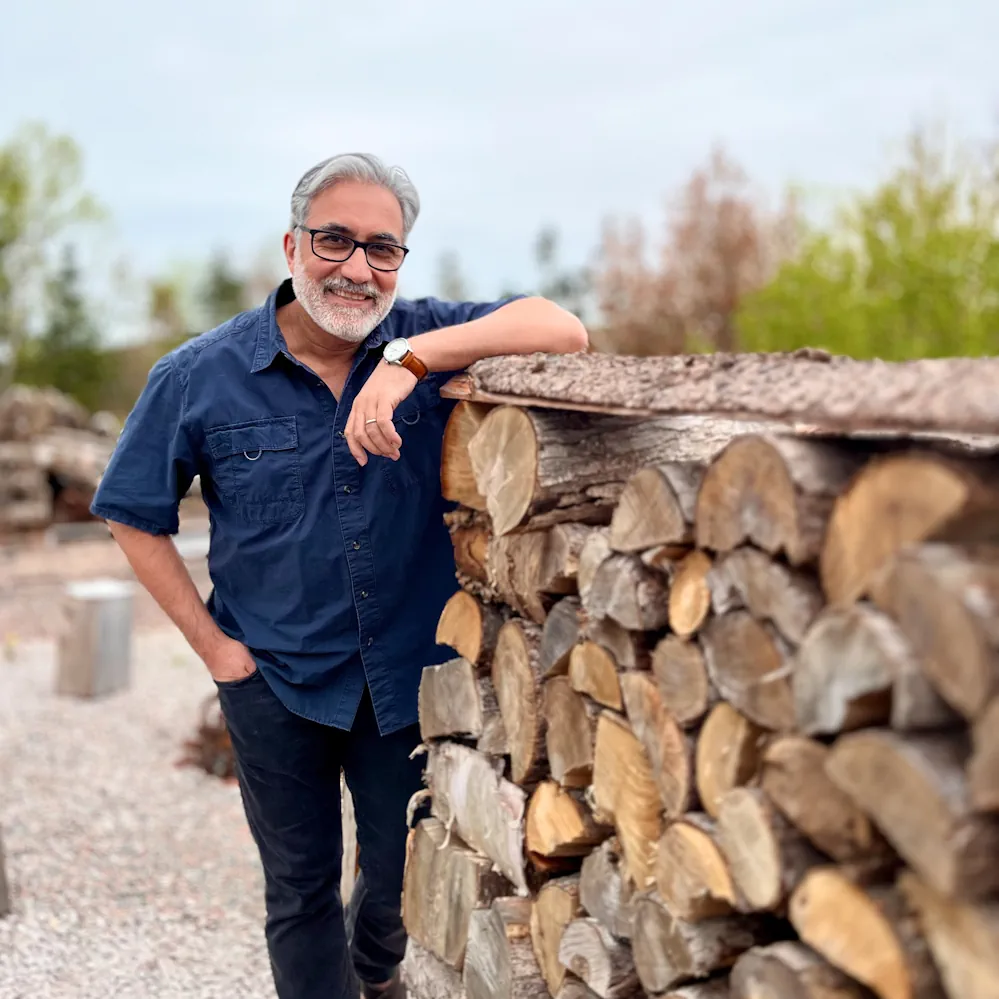
Ali Shekofteh Rad devoted more than a decade of his youth to earning his Doctorate in Dentistry and later specializing in Orthodontics. For years, he dedicated himself to clinical practice, teaching, research, and social activism. Alongside his family and professional responsibilities, he also experienced administrative management and architecture. In 2005, a serious cardiac warning forced him to pause. Amid the struggle of treatment, he found the opportunity to look more deeply at the world around him. After that, he chose to leave his life in Iran behind and endured the hardships of moving his family of six to Canada.
In a foreign land, life revealed its other side. Caught in the turmoil of the global economic downturn and increasing sanctions on Iran, he tasted the bitterness of betrayed trust. In a self-imposed silence, he discovered freedom in letting go of possessions. After an unwanted divorce, he remarried and, with the support of a loyal companion, returned to his lifelong love: the literature of his motherland. Through Western culture, he came to understand story and found peace in it. After studying creative writing and writing short stories, he wrote the novel Love in Crisis, placing his life’s deepest messages within it.
The Echo —

The echo of Ali’s message resonates today through his efforts to establish an Online School of Storyology. He has come to believe that while stories are the finest cradles for human nurturing, staying within them can hinder individual and social growth. By introducing the neologism “Storyology,” he invites everyone to transcend the story itself, asserting: