The Dawn —

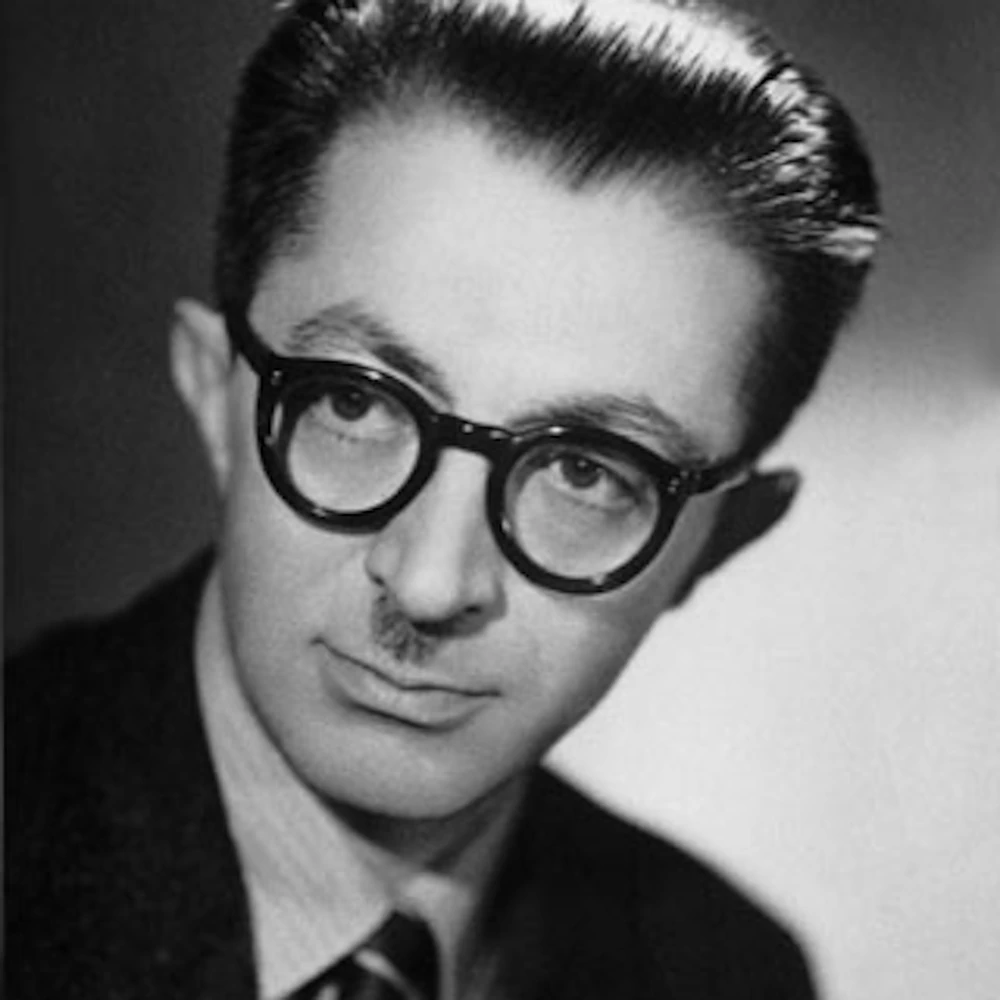
Sadegh was born on February 17, 1903, in Tehran’s Ferdowsi neighborhood into the illustrious Hedayat family—a dynasty where statesmanship, literature, and the arts were inextricably linked. He was the great-grandson of Reza-Qoli Khan Hedayat, the renowned poet, historian, and the first director of the Dar ul-Funun, who played a pivotal role in shaping Iran’s modern cultural foundation. Growing up among grandfathers like Jafar-Qoli Khan, a Qajar-era minister, and father and uncles who held high-ranking military and political posts, Sadegh was immersed in a world of private libraries and grand narratives from childhood. This aristocratic upbringing provided the intellectual bedrock upon which he would later build his revolutionary critiques of tradition.
The Quest —

His intellectual formation took root at the French St. Louis School in Tehran. It was here that Sadegh unlocked the gates to world literature by teaching Persian to the school’s priests in exchange for French lessons. His journey began in 1908 at the Elmieh School, followed by a brief period at Dar ul-Funun, where in 1914 he created the wall newspaper “Call of the Dead” (Nedaye Amvat)—a hauntingly prophetic title for his lifelong preoccupation with mortality. Navigating between the rigid traditions of Qajar Tehran and the avant-garde modernism of Paris, he used his pen to challenge the stagnant spirit of his era, blending his deep studies of Middle Persian (Pahlavi) texts with the dark psychological depths of Western masters like Kafka and Chekhov.
The Manifestation —

By creating works that blurred the lines between reality, dream, and nightmare, Sadegh Hedayat broke entirely new ground in Persian letters. Through innovative techniques, he bridged his personal creativity with the rich heritage of Iranian lore, particularly in his masterpiece, The Blind Owl. He revolutionized Persian narrative by transcending archaic, flowery Qajar prose and employing surrealist and psychological methods that earned the admiration of Western icons like André Breton and Henry Miller. Today, Storyologists regard him, alongside Jamalzadeh and Alavi, as one of the three foundational pillars of contemporary Persian fiction. His contribution was not merely entertainment, but an “engineering of thought” that introduced existential depth to the Iranian novel.
The Echo —

His chosen death in Paris in April 1951 and his final resting place in Père Lachaise Cemetery were not an end, but the birth of “Hedayat Studies” in Iran. The echo of his candid, often painful messages resonates through every subsequent generation of writers; from Sa’edi and Beyzai to Golshiri, all remain indebted to his sharp, critical modernism. Today, the Sadegh Hedayat Literary Award stands as an enduring tribute to his boundless influence on the flowing river of Persian intellectualism. He famously viewed death not as a terror, but as a “kind mother who, after a stormy day, takes her child into her arms.” His legacy remains the compass for Iranian Storyology, proving that love and death are forever intertwined in the human narrative.