
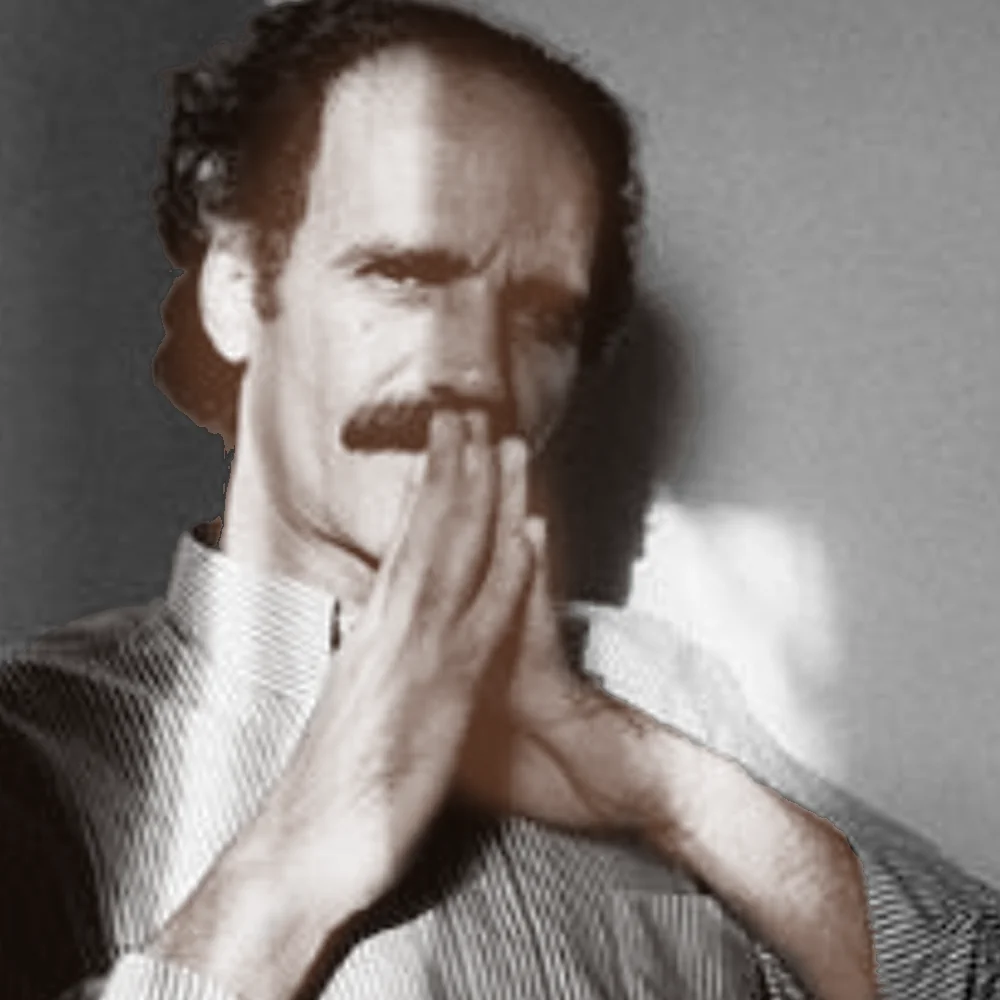
The Dawn —

Houshang, born on 16 March 1938 in Isfahan, was an Iranian short-story writer, literary critic, and one of the prominent figures of modern Farsi fiction. Raised in Isfahan, he studied Persian language and literature at the University of Isfahan. He worked as a teacher and literary activist and was an active member of the Iranian Writers’ Association. In addition to writing, Golshiri played a key role in mentoring younger writers through influential literary gatherings.
The Quest —

Golshiri is considered one of the pioneers of modern narrative techniques in Farsi literature. His novel “Prince Ehtejab” is widely recognized as a landmark work of contemporary Iranian fiction, notable for its innovative narrative structure and critical reflection on history and power. Beyond novels, he wrote numerous short stories and essays on literature, often experimenting with narrative voice, temporal shifts, and modernist storytelling techniques. His works frequently explore themes of authority, historical memory, and individual destiny.
The Manifestation —

Beyond his own writing, Golshiri had a major influence on younger generations of writers. His well-known “Thursday sessions” in Tehran became an important forum for reading and critically discussing fiction. Many emerging authors attended these gatherings and benefited from his rigorous critique. Golshiri was known for his strict attention to language, narrative structure, and precision in storytelling, helping shape the development of modern Farsi fiction.
The Echo —

Although Golshiri passed away on 6 June 2000, his influence on Iranian fiction continues to this day. In his memory, the Houshang Golshiri Literary Award was established and soon became one of the most respected independent literary prizes in Iran. His ideas about narrative form, language, and the intellectual independence of the writer remain influential among Persian authors and critics, and many regard him as a key figure in modern Persian storytelling.
Iranian writer Shahriar Mandanipour recalled Golshiri’s famous literary sessions:
“Whenever you read a story to him, Golshiri would constantly pause, debate, and critique. Reading fifty pages could take six or seven hours. For four days I read my novel while he listened with extraordinary energy, commenting on everything from word choices to narrative structure. At the end he said the work stood on the edge of a masterpiece. Hearing such a sentence from Golshiri mattered, because he was extremely strict about fiction.”