The Dawn —

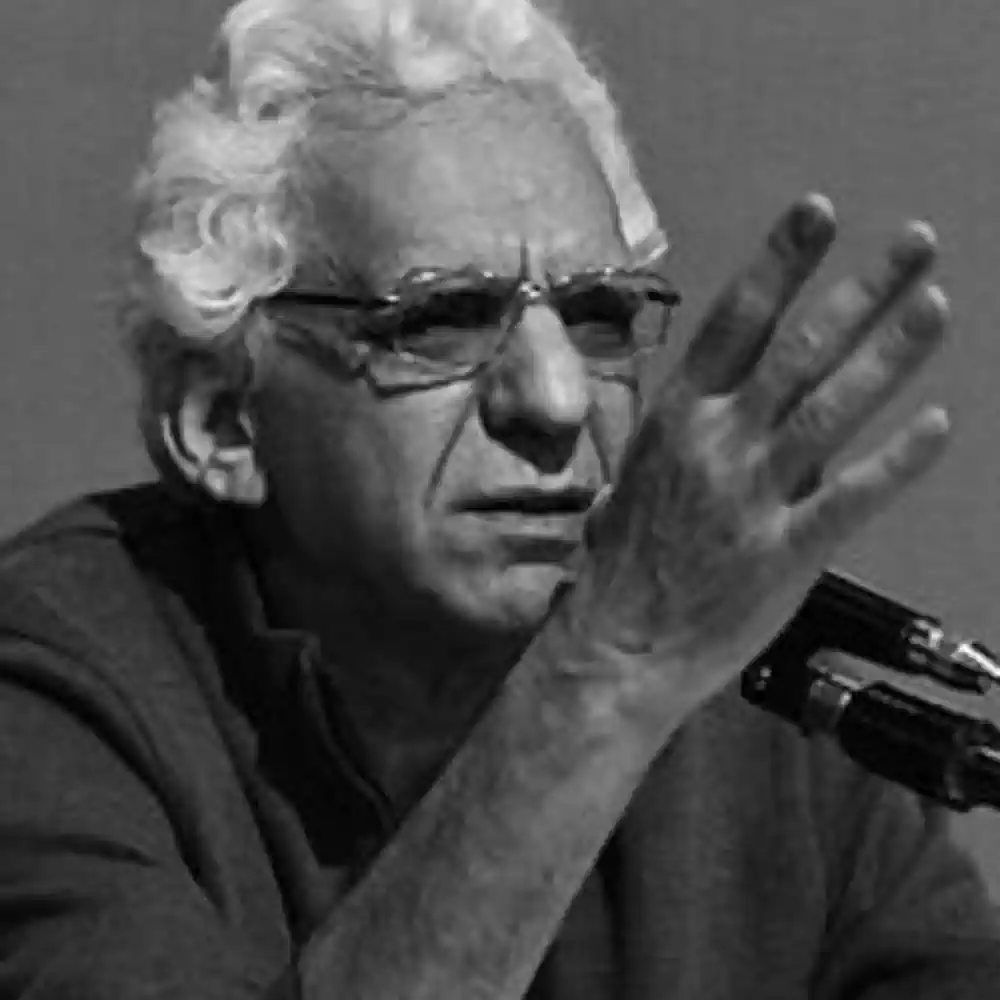
Kiumars was born during the final days of autumn in 1949 in Najafabad, Isfahan. Raised in a household where art was woven into daily life, his creative spirit was nurtured by his mother, Parvindokht Yazdanian, who would later become the iconic “Iranian mother” in his films. From these early roots, he gathered the stories that would eventually define the collective memory of a nation.
The Quest —

His intellectual quest was a journey he later titled “An Unfinished Childhood.” Navigating the challenging landscape of post-revolutionary cinema, he became a voice for the marginalized. By adapting “The Tales of Majid,” he forged a profound link between contemporary literature and the screen, while his anti-war masterpiece, “The Night Bus,” reflected his restless pursuit of truth amidst social turmoil.
The Manifestation —
Kiumars Pourahmad manifested a unique cinematic language through works like “Strange Sisters” and “Yalda Night.” Beyond the lens, his manifestation extended to literature; he clandestinely authored the novel “We Are All Accomplices,” a bold critique of contemporary political history and a tribute to the resilience of women. He bridged the gap between popular cinema and underground literary resistance, redefining the role of the Storyologist.
The Echo —

His sudden and tragic departure in the spring of 2023 left an echo of haunting questions. While official narratives cited a heart attack, friends spoke of a “voluntary exit,” and his daughter Pegah maintained that “the case remains open.” Pourahmad’s legacy lies not just in his awards, but in his courageous storytelling. Despite his many plans for the future, his untimely end serves as a poignant reminder of the artist’s struggle within the flowing river of Iranian intellectual life.