The Dawn —

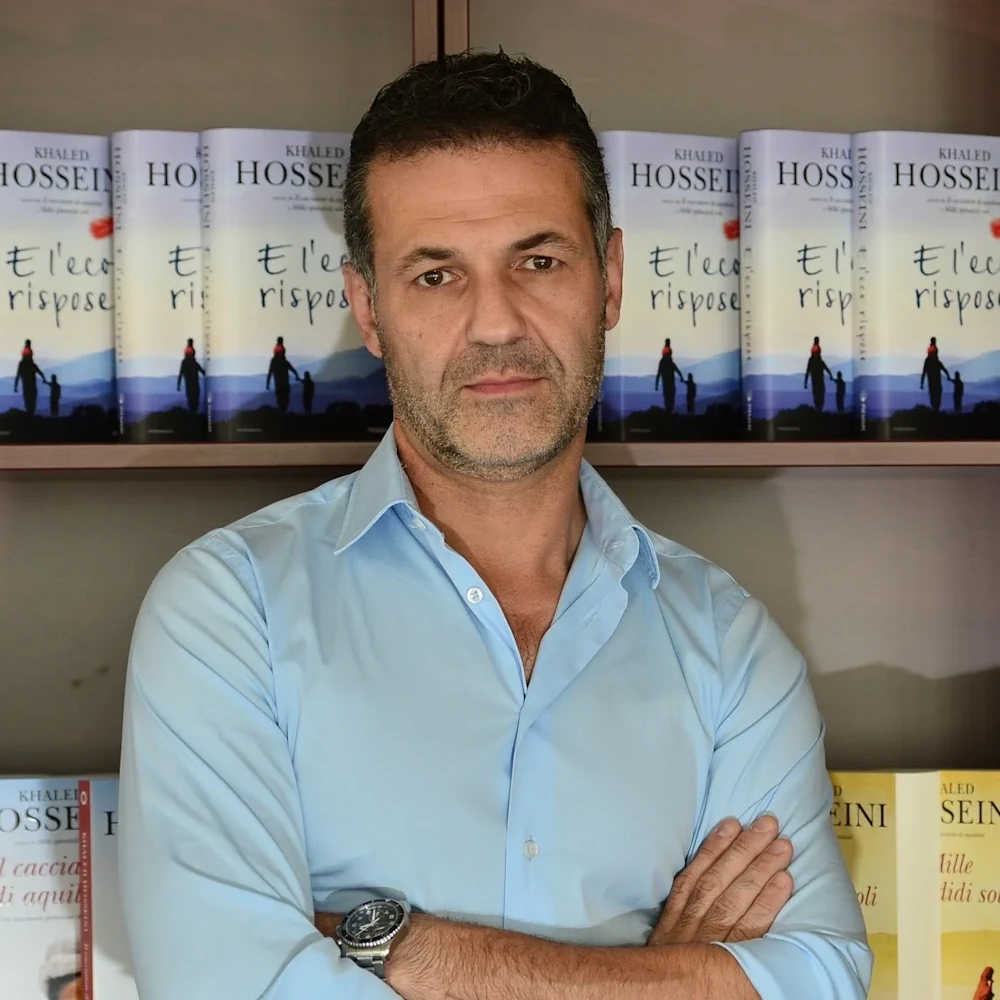
Khaled was born in March 1965 in Kabul, Afghanistan, during a period of relative political stability. As the eldest of five children in a diplomatic family, his early years were steeped in the cosmopolitan culture of Kabul’s middle class. The “Dawn” of his life was marked by a rich oral tradition of storytelling and Persian poetry, providing a vibrant cultural backdrop that would later become the soul of his world-renowned narratives.
The Quest —

Hosseini’s “Quest” took an abrupt turn following the 1978 communist coup and the subsequent Soviet invasion of Afghanistan. His family sought political asylum in the United States in 1980, settling in California. Facing the challenges of exile, he pursued a career in medicine, earning his MD in 1993. While practicing as an internist, Hosseini never abandoned his literary calling, waking at dawn to write the stories of his homeland before his hospital shifts began—a discipline that bridged his dual identity as a healer and a storyteller.
The Manifestation —
The “Manifestation” of his literary genius arrived with the 2003 publication of The Kite Runner, which became a global phenomenon. Followed by A Thousand Splendid Suns and And the Mountains Echoed, Hosseini’s work is characterized by emotional depth and a commitment to portraying the resilience of the human spirit amidst conflict. His mastery lies in “Storyology”—the art of weaving historical turmoil with intimate domestic dramas, making the Afghan experience accessible and deeply moving for millions of readers worldwide.
The Echo —

The “Echo” of Hosseini’s legacy extends far beyond the printed page. As a Goodwill Envoy for the UNHCR and through The Khaled Hosseini Foundation, he has transformed his literary success into a tool for social activism, providing humanitarian aid to the people of Afghanistan. His voice remains a vital link between the Afghan diaspora and the global community, echoing a message of empathy, redemption, and the enduring power of memory.