Overview

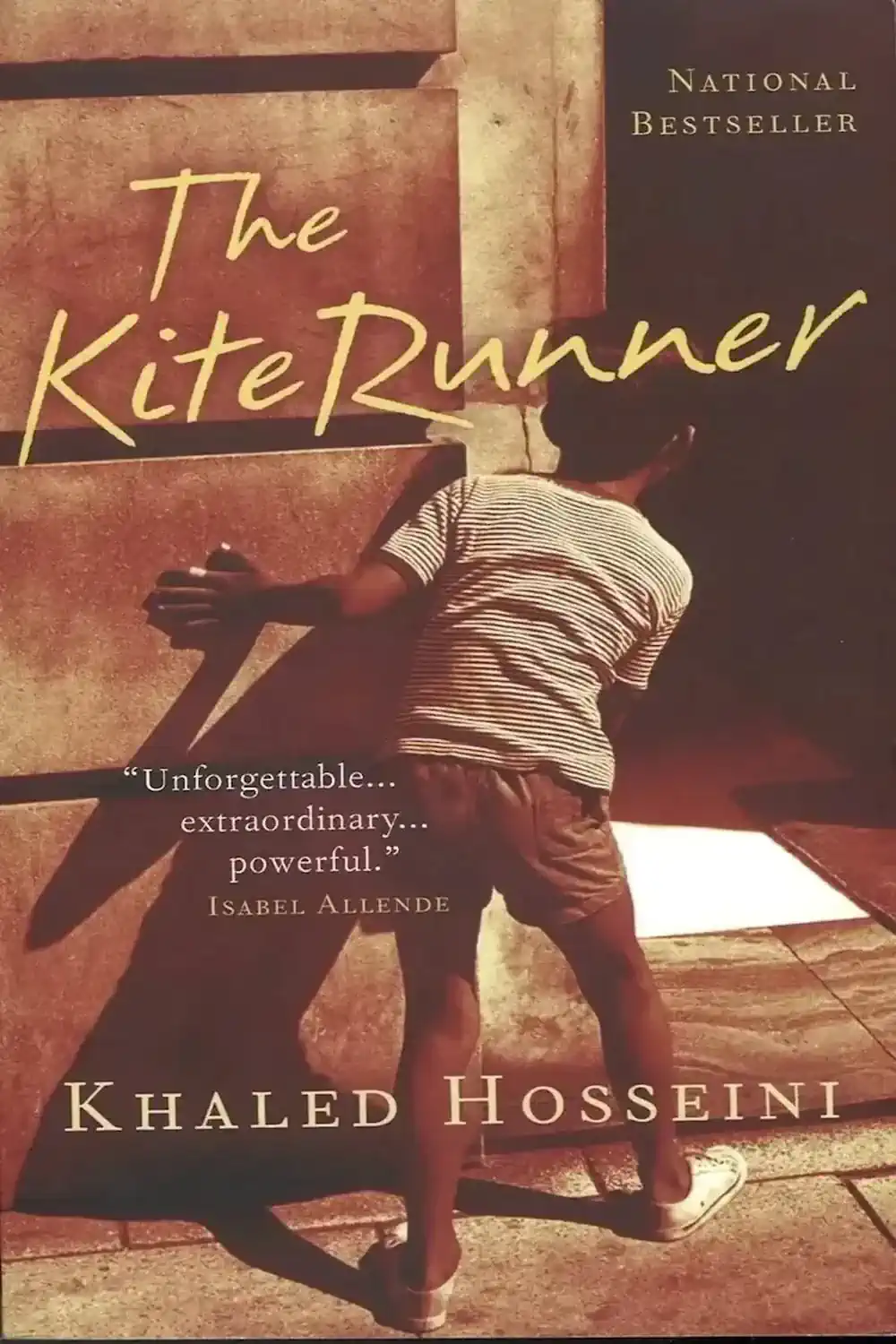
The Kite Runner is the debut novel by Afghan-American writer Khaled Hosseini, published in 2003. The story follows Amir, a privileged Pashtun boy from Kabul, and his loyal friend Hassan, the son of his father’s Hazara servant.
Set first in 1970s Kabul and later in the United States, the novel traces their childhood friendship, shattered by a traumatic event during a kite-fighting tournament. Hassan is assaulted while protecting Amir’s winning kite, and Amir, paralyzed by fear, fails to intervene. This moment of betrayal shapes Amir’s life and becomes the central moral conflict of the narrative.
After the Soviet invasion of Afghanistan, Amir and his father flee to America. Years later Amir returns to Taliban-ruled Afghanistan, seeking redemption by rescuing Hassan’s son. The story unfolds across two decades and two continents, exploring guilt, loyalty, and the possibility of moral redemption.
Analysis

Structurally, the novel functions as a coming-of-age narrative told in the first person by Amir. Through memory and reflection, the narrator revisits his childhood actions and confronts their consequences.
Key thematic elements include:
-
Friendship and betrayal – the broken bond between Amir and Hassan.
-
Guilt and redemption – Amir’s lifelong struggle to atone for his cowardice.
-
Ethnic and social division – tensions between Pashtuns and Hazaras.
-
Father–son relationships – Amir’s desire for Baba’s approval.
The kite functions as a powerful symbol in the narrative. As a child Hassan runs kites for Amir; by the end of the novel Amir becomes the kite runner for Hassan’s son, symbolizing redemption and reconciliation.
Reception

The novel achieved major international success. After the paperback release in 2004 it quickly climbed bestseller lists and remained on the New York Times bestseller list for two years, selling millions of copies.
Notable recognitions include:
-
Boeke Prize (2004)
-
British Book Awards – Best Read of the Year (2005)
-
Reading Group Book of the Year (2006–2007).
Critics widely praised the novel for its emotional power and its portrayal of friendship, guilt, and redemption against Afghanistan’s turbulent history. Some reviewers described it as a “beautifully written, startling, and heart-wrenching” story.
At the same time, the book has sparked debate and has been challenged or banned in some schools due to its depiction of violence and sensitive themes.